
Reaching Out for Substance Abuse Support in the Coast Guard
The Coast Guard Substance Abuse Program encompasses both the Substance Abuse Prevention Program (SAPP) and the Substance Abuse Prevention and Treatment Program (SAPT), providing comprehensive substance abuse prevention, education, and treatment services for all Coast Guard personnel.
This program operates under a zero-tolerance policy for illicit drug use while emphasizing treatment and recovery support for substance use disorders and alcohol misuse among active duty personnel and selected reserve members. Substance use within the Coast Guard is governed by rigorous policies and procedures aimed at preventing misuse, promoting recovery, and safeguarding operational readiness.
For Coast Guard members seeking immediate assistance, the expert staff at TriCareRehabs.com provides confidential consultation and immediate support for accessing TRICARE-approved detox and rehab facilities when more intensive treatment options are required.
What This Guide Covers
This guide details SAPP and SAPT eligibility requirements, available services, contact procedures, and treatment options specific to Coast Guard personnel. This does NOT cover VA benefits or civilian population treatment programs.
Who This Is For
This guide is designed for active duty Coast Guard members, Selected Reserve (SELRES) members, commanding officers, and family members seeking program information. Whether you’re a service member concerned about substance misuse or a commander needing policy guidance, you’ll find specific contact procedures and resource information.
Why This Matters
Substance abuse directly impacts Coast Guard operational readiness, maritime safety and can result in serious consequences under the Uniform Code of Military Justice. Substance use undermines operational efficiency by impairing judgment and reaction times crucial in high-stakes environments.
The Coast Guard’s unique operational environment and homeland security mission require peak performance, making substance abuse prevention efforts crucial for both individual career progression and mission effectiveness.
What You’ll Learn:
- How to access SAPP services through proper channels
- Eligibility requirements for active duty and reserve members
- Available treatment resources and expedited access procedures
- Step-by-step contact procedures for immediate assistance
Understanding the Coast Guard Substance Abuse Prevention Program or SAPP

The Substance Abuse Prevention Program (SAPP) serves as the Coast Guard’s primary substance abuse prevention and treatment initiative, designed to enhance operational readiness through comprehensive prevention, education, and treatment services.
SAPP addresses the unique challenges faced by Coast Guard personnel, including exposure to trauma during disaster response operations, extended deployments, and the high operational tempo that can contribute to stress management difficulties and substance misuse.
The program recognizes that nearly a third of military separations involve substance-related issues, making prevention efforts critical for maintaining force strength. Members of the Coast Guard have higher rates of binge drinking than the Army and the Air Force, but lower rates than members of the Navy and Marines.
The program operates within the Coast Guard’s Work Life Service Center structure, providing targeted interventions for both substance use disorders and co-occurring mental health issues. Unlike other military branches, the Coast Guard’s dual role in law enforcement and search and rescue creates additional stressors that require specialized prevention efforts.
The expert staff at TriCareRehabs.com provides confidential consultation and immediate support for cases requiring intensive treatment beyond Coast Guard resources.
The Coast Guard’s Substance Abuse Prevention and Treatment Program (SAPT)
SAPT functions as the treatment component within SAPP, focusing specifically on training, education, expedited screening, and referral services for Coast Guard personnel experiencing substance abuse issues.
This connects to the main SAPP program by providing the operational framework for delivering treatment services. SAPT emphasizes early identification and intervention, recognizing that alcohol use disorder represents the most common addiction among military personnel, with binge drinking rates often exceeding the general population.
Substance use patterns in the Coast Guard differ from other branches, influenced by its unique role under the Department of Homeland Security and similar strict substance use policies.
Program Eligibility and Coverage
All active duty Coast Guard members maintain full eligibility for SAPP services, while Coast Guard Selected Reserve (SELRES) members receive access to program resources during training periods and through coordination with civilian treatment providers.
Building on SAPT’s treatment focus, eligibility extends to both substance abuse and behavioral health concerns, including prescription medication misuse and behavioral addiction programs.
The program acknowledges that addressing substance abuse requires comprehensive mental health services administration, particularly given the high rates of co-occurring disorders like PTSD among Coast Guard personnel.
Understanding eligibility provides the foundation for knowing who to contact when seeking assistance.
SAPT Services and Personnel Rules for Alcohol Abuse and Substance Abuse Support
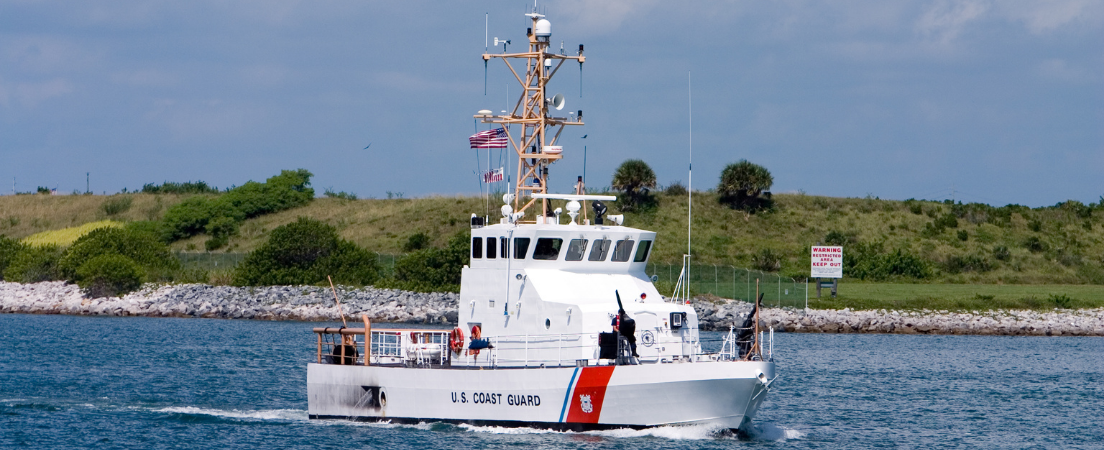
The Coast Guard maintains a structured approach to service delivery through specially trained personnel positioned at district and headquarters levels to ensure immediate assistance and ongoing support.
Substance Abuse Prevention Specialists (SAPS)
District Substance Abuse Prevention Specialists serve as the primary command contacts for all substance abuse prevention and treatment issues within their geographic areas.
District SAPS provides command guidance, screening referrals, case management, and policy guidance while maintaining a 24-hour response guarantee for email contacts.
These specialists coordinate with the treatment team to ensure expedited access to appropriate resources, whether for alcohol policy violations or prescription medication concerns requiring intervention.
Command Drug and Alcohol Representatives (CDARs)
Command Drug and Alcohol Representatives advise unit commands on SAPT administration and serve as local points of contact, though they are not behavioral health counselors.
Unlike District SAPS, who provide direct clinical coordination, CDARs focus on administrative processing resources and unit-level prevention efforts.
All CDARs complete specialized training requirements and operate under quota management systems administered by their regional SAPS to ensure consistent service delivery across all Coast Guard units.
The Coast Guard Substance Abuse Support Program Management Structure
Mr. Mattiko serves as the SAPT Program Manager at Coast Guard Headquarters, while CWO Jordan Suchon functions as SAPT Program Supervisor at the Headquarters Support Work-Life Service Center in Norfolk.
This headquarters versus field support structure ensures both national policy consistency and local operational flexibility.
The program management oversees budget allocation, curriculum development for programs like Prime For Life, and coordinates with other military branches and the Substance Abuse and Mental Health Services Administration (SAMHSA) for best practice implementation.
Key Points:
- District SAPS provides a 24-hour response for urgent cases
- CDARs handle administrative support but not clinical services
- Headquarters staff coordinate national policy and training programs
Accessing Help Through the Coast Guard Substance Abuse Program

Coast Guard members can access substance abuse prevention services through multiple pathways designed to provide immediate assistance while protecting career progression and ensuring appropriate treatment matching.
Step-by-Step: Contacting SAPP for Assistance
When to use this: Coast Guard members needing immediate help for substance misuse, alcohol misuse, or command guidance on substance-related issues.
Alternatively, for higher levels of care, such as inpatient rehab support and confidential consultations outside of the command structure, TriCareRehabs.com offers expert support from professionals with lived experience in recovery.
- Contact your District SAPS first: Reach out directly to your geographic area’s Substance Abuse Prevention Specialist for immediate local support and command-specific guidance.
- If District SAPS is unavailable, email Duty SAPS: Send a message to [email protected] for backup support when district resources are not immediately accessible.
- Include essential information: Provide your name, phone number, unit assignment, and a brief description of your need to ensure proper case management and resource allocation.
- Expect rapid response: All contacts receive a response within 24 hours, with verification successful waiting times typically measured in a few seconds for urgent cases.
Available Treatment and Education Services
The program provides Addictions Orientation for Health Care Providers (AOHCP-1) training, requiring proper STTR submission procedures for military personnel seeking specialized addiction treatment knowledge.
Prime For Life (PFL) serves as the primary motivational risk reduction program, addressing both alcohol policy compliance and prevention of illicit drug use through evidence-based educational approaches.
Coast Guard personnel receive expedited access to SAPT resources through District SAPS coordination, ensuring that reaction times crucial for effective intervention remain minimal.
Comparison: District SAPS vs Duty SAPS Contact
| Feature | District SAPS | Duty SAPS |
| Response Time | Immediate during business hours | 24-hour email response |
| Local Knowledge | Command-specific guidance | General program guidance |
| Availability | Business hours plus emergency | Always available via email |
| Case Management | Direct ongoing support | Initial triage and referral |
District SAPS provides immediate local support with command-specific knowledge, while Duty SAPS ensures continuous availability when geographic specialists are unavailable.
Coast Guard members should prioritize District SAPS for complex cases requiring ongoing support and use Duty SAPS for after-hours needs or initial program information.
Yet, even with clear contact procedures, Coast Guard members often face common barriers to seeking help.
Common Challenges and Solutions for the Coast Guard Members Seeking Substance Abuse Support

Coast Guard members navigating substance abuse program access frequently encounter specific concerns related to military justice implications, eligibility questions, and uncertainty about initial steps.
Challenge 1: Fear of Career Impact Under UCMJ
Solution: SAPP emphasizes treatment and recovery support rather than disciplinary action, with programs designed to enhance operational readiness through effective prevention rather than punitive measures.
The program recognizes that addressing substance abuse strengthens rather than weakens Coast Guard capabilities, particularly given the significant concern that untreated substance use disorders pose to operational effectiveness.
Challenge 2: Uncertainty About Program Eligibility
Solution: Contact District SAPS for eligibility verification and guidance regardless of your specific situation, whether involving prescription medication misuse, alcohol use disorder, or other substance-related concerns.
SAPS personnel provide case management and policy guidance for all categories of substance abuse, ensuring that active duty personnel and selected reserve members receive appropriate resource matching. A positive drug test is considered a ‘Drug Incident’ for all members, regardless of duty status.
Challenge 3: Not Knowing Where to Start
Solution: Begin with the District SAPS contact or the Duty SAPS email, providing basic information about your need, including whether you’re seeking short-term counseling, intensive treatment options, or command guidance.
The guaranteed 24-hour response and expedited access to resources ensure that initial uncertainty doesn’t delay necessary intervention, particularly important given that early intervention significantly improves treatment outcomes.
For more robust options that cover medical detox and residential treatment, call for a consultation with our caring team at TriCareRehabs.com.
Reach Out to TriCareRehabs for Immediate Assistance Today
The Coast Guard Substance Abuse Program demonstrates the service’s commitment to supporting member well-being while maintaining the highest standards of operational readiness.
SAPP and SAPT services provide comprehensive support resources designed specifically for the unique challenges faced by Coast Guard personnel in their critical homeland security missions.
For needs that exceed the limitations of these programs, the expert staff at TriCareRehabs.com provides immediate, nationwide TRICARE-approved treatment options for Coast Guard members requiring intensive treatment beyond standard SAPP resources.
Please do not hesitate. Reach out confidentially to our expert team for proven support programs now.
Additional Resources
CDAR Training Information:
- Training quota requests processed through the regional SAPS
- Administrative processing resources available through district offices
Prime For Life Program:
- Evidence-based risk reduction curriculum available Coast Guard-wide
- STTR submission procedures required for specialized training access
- Coast Guard Work Life Program resources

- Coast Guard Substance Abuse Program Resources - December 23, 2025
- Does TRICARE Cover Suboxone? - December 15, 2025
 855-720-0540