
Support Options for Alcohol and Substance Abuse in the USMC
The Marine Corps Substance Abuse Program provides comprehensive prevention, education, screening, and treatment services to address substance misuse among active duty service members and their families.
This evidence-based program operates through Marine Corps Community Services (MCCS) and Substance Assessment and Counseling Centers (SACC) at Marine Corps installations worldwide, supporting mission readiness while addressing alcohol abuse, prescription drug misuse, and illegal drug use. As a part of this program, random and unit-wide urinalysis and alcohol screenings are conducted to discourage substance misuse and ensure compliance with the program’s objectives.
For civilian treatment options, TriCareRehabs.com offers a referral helpline. Confirm the exact provider and service with TRICARE before admission; a referral conversation does not establish network participation, approval or payment. [7]
What This Guide Covers
This comprehensive resource covers MCCS substance abuse programs, SACC center services, treatment options, and access procedures. We include both command-referred and self-referral pathways, integration with mental health services, and connections to external treatment resources.
Who This Is For
This guide is designed for active duty Marines, family members, veterans, and command personnel seeking program information. Whether you’re a marine struggling with substance use, a family member concerned about a loved one, or a leader seeking to support your unit, you’ll find practical guidance and resources.
Why This Matters
Substance abuse directly impacts mission readiness, individual health, and military careers. The program ensures compliance with DoD Instructions 1010.04, 1010.01, and 1010.16, while providing early intervention and treatment services that can prevent harmful consequences and disciplinary action.
What You’ll Learn:
- Program structure and available services under MCO 5300.17A
- How to access SACC centers and treatment options
- Differences between command referral and self-referral processes
- Integration with mental health services and external resources
Understanding the Marine Corps Substance Abuse Programs
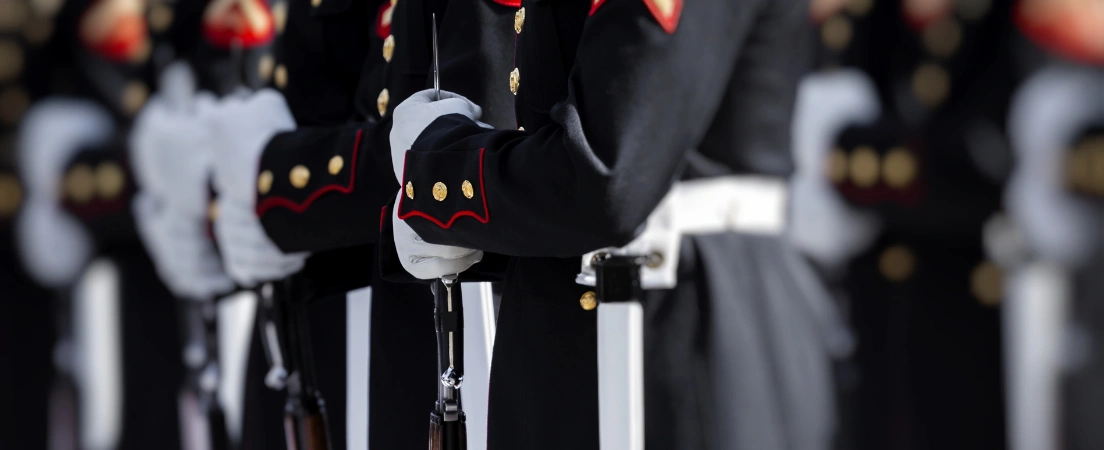
The Marine Corps substance abuse program operates under Marine Corps Order 5300.17A, providing comprehensive prevention, education, screening, counseling, and treatment coordination services. This evidence-based program addresses alcohol misuse, prescription drug abuse, and illegal drug use while maintaining the Corps’ zero-tolerance policy for illicit substances.
Program goals encompass prevention education, early intervention, screening and assessment, non-medical counseling, and coordination with treatment services. The initiative supports mission readiness by ensuring active duty service members receive appropriate support while maintaining military culture standards and addressing mental health concerns.
Substance Assessment and Counseling Centers (SACC)
SACC centers operate on major Marine Corps installations worldwide, providing core services including prevention education, screening and assessment, and non-medical counseling.
Licensed professionals at these centers offer individual and group counseling, educating marines about the harmful consequences of substance use, and providing referrals to specialized treatment when needed.
Each Marine Corps unit has a dedicated Substance Abuse Control Officer (SACO) to coordinate prevention efforts and ensure program effectiveness.
These centers connect to broader Marine Corps health initiatives, working closely with medical personnel to address co-occurring mental health disorders such as post-traumatic stress disorder (PTSD), depression, and anxiety that often accompany substance misuse.
The Marines Community Counseling Program (or MCCP)
Community-based counseling services extend program reach through partnerships with civilian providers and integration with Family Advocacy Program services.
This program works alongside Chaplain’s services and connects to the Substance Abuse and Mental Health Services Administration’s national resources, ensuring at least some level of support for Marines and families facing substance abuse challenges.
Building on these foundational services, the program offers specific components designed to address different levels of need and intervention.
What are the Program Components and Services in the USMC for Substance Abuse?
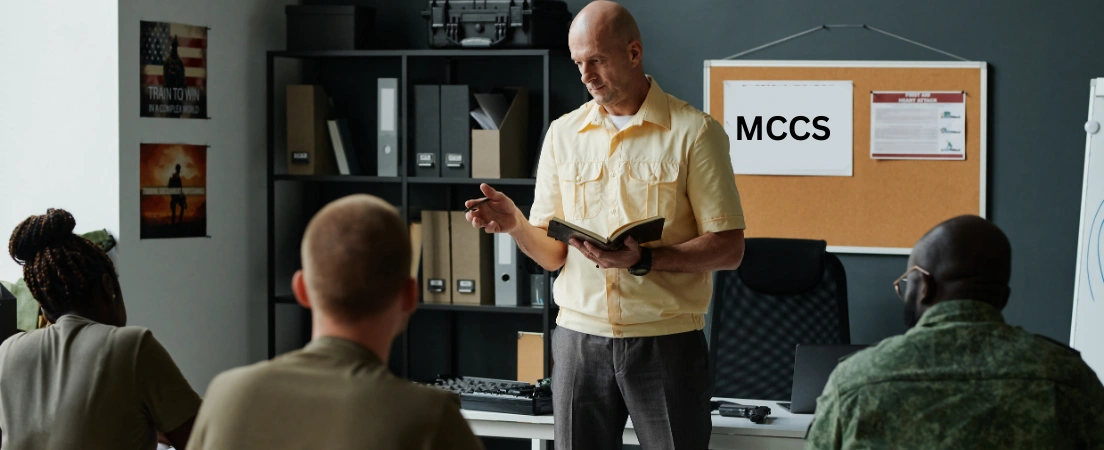
The Marine Corps substance abuse program delivers services through multiple interconnected components, each designed to address specific aspects of prevention, intervention, and treatment for substance misuse among active duty Marines and their families.
Prevention and Education Services
Prevention education forms the program’s foundation, focusing on educating marines about low-risk alcohol use, proper medication management, and the complete elimination of illegal drug use. These services include unit-level training, individual education sessions, and command-level awareness programs that reinforce military culture while promoting healthy choices.
Prevention education also includes the provision of the Prime For Life 4.5-hour curriculum, an evidence-based program designed to challenge high-risk attitudes and behaviors related to substance use.
Substance abuse control officers lead prevention initiatives within units, working with leaders to identify risk factors and provide early intervention before substances affect mission readiness or individual health.

INDEPENDENT REFERRAL HELPLINE
Discuss TRICARE Treatment-Provider Options
855-720-0540
Calls are answered by South Shores Recovery, a treatment provider. TriCareRehabs.com does not provide treatment. Coverage, costs, authorization, admission, and placement vary and are not guaranteed.
Assessment and Screening
Marines may enter assessment through command referral or by seeking help themselves. The referral route does not, by itself, determine confidentiality, command notification, or administrative consequences. Ask the SACC or treating clinician to explain the rules that apply before sharing sensitive details. [1,2,3]
The assessment process evaluates not only substance use but also mental health concerns, including post-traumatic stress disorder, depression, and anxiety, recognizing that substance abuse often co-occurs with other mental illnesses.
PTSD is one of the most common mental health disorders found among U.S. Marines, with significant co-occurrence with substance use disorders, highlighting the importance of integrated treatment approaches.
Treatment and Intervention Services
Non-medical counseling and therapeutic interventions provide structured support for Marines with substance use issues. Licensed professionals deliver individual and group counseling, while support groups like Alcoholics Anonymous offer peer-based recovery assistance.
For cases requiring intensive intervention, the program provides referrals to residential treatment facilities and connects Marines with Veterans Affairs resources for long-term recovery support.
Key Points:
- Prevention education targets all Marines regardless of risk level
- Assessment protocols address both substance use and mental health disorders
- Treatment services range from counseling to residential care
Understanding how to access these services requires knowledge of the specific procedures and pathways available to Marines and their families.
What is the Access and Treatment Process for Substance Misuse in the USMC?

Marines and family members can access substance abuse services through multiple pathways, each designed to provide appropriate support while considering individual circumstances and command involvement.
Step-by-Step: Accessing MCCS Substance Abuse Services
When to use this: Marines experiencing substance use concerns, family members seeking help for loved ones, or commanders addressing unit issues.
- Initial Contact: Contact your installation SACC for program information, assessment and referral. Ask about hours, response times, privacy limits and command-notification requirements. Use the emergency resources below for urgent needs. [1,2]
- Assessment and Screening: Complete a comprehensive evaluation with licensed professionals who assess substance use patterns, mental health status, and co-occurring conditions like post-traumatic stress disorder.
- Treatment Plan Development: Work with counselors to develop personalized intervention strategies, which may include education, counseling, support groups, or referrals to specialized treatment services.
- Follow-up Support: Participate in ongoing monitoring and support services to ensure long-term recovery and successful return to full duty status.
Comparison: Command Referral vs Self-Referral for Marines Struggling With Substance or Alcohol Abuse
| Question | Command referral | Self-referral |
|---|---|---|
| Starting point | Command directs an assessment or referral under applicable policy. | Contact the installation SACC to ask about assessment and support. Military OneSource non-medical counseling is separate from SUD treatment. [1,5] |
| Privacy and command notification | For a command-directed mental health evaluation, command-notification rules apply. [2] | Voluntarily sought MHS mental health care and substance misuse education have a presumption of confidentiality, with specified exceptions. This is not absolute secrecy. [2] |
| Administrative or disciplinary consequences | Referral does not determine the outcome of a misconduct or separation process. | Do not assume self-referral prevents administrative action. Enlisted drug self-referral has specific separation-processing rules; see the note below. [3] |
| Next care step | Assessment and referral should follow the person’s clinical needs and applicable policy. [1,4] | Assessment and referral should follow the person’s clinical needs and applicable policy. [1,4] |
SACC non-medical counseling and MHS clinical care have distinct rules. MCO 5300.17A protects counseling information but lists exceptions, including duty-to-warn situations and suspected child or domestic abuse. DoDI 6490.08 lists clinical command-notification circumstances, including serious safety or mission risk, inpatient care, certain substance-use treatment and command-directed evaluations. [1,2]
For enlisted Marines, MARCORSEPMAN paragraph 6210.5c addresses administrative-separation processing after self-referral for illegal drug use. It also limits certain uses of treatment disclosures when characterizing service, with exceptions. Processing is not itself a final separation decision. Alcohol-related help-seeking and illegal-drug self-referral should not be treated as interchangeable. Ask military legal counsel about an individual case. [3]
Despite available resources, Marines often face specific challenges when seeking substance abuse treatment that require targeted solutions.
Many service members do not report substance abuse concerns due to the potential for stigma associated with needing help, which can prevent them from accessing the support they need.
Common Challenges and Solutions When Seeking Support for Alcohol or Substance Abuse in the Marines

Marines seeking substance abuse treatment encounter unique obstacles within military culture, but effective solutions exist to overcome these barriers and connect with appropriate treatment services.
Challenge 1: Stigma and Career Concerns
Solution: Ask the installation SACC or treating clinician about privacy limits and command notification. Seek military legal advice for concerns about misconduct, separation or the use of treatment disclosures. The independent referral helpline may discuss civilian provider options; it cannot determine military reporting requirements or promise protection from consequences. [1,2,3]
Challenge 2: Geographic Access to Services
Solution: Remote counseling options and community partnerships extend treatment services beyond USMC installations.
OCONUS locations connect with stateside resources through Military OneSource, while civilian providers work with TRICARE and TriCareRehabs.com to provide local treatment options.
Challenge 3: Co-occurring Mental Health Issues
Solution: Integrated treatment approach addresses substance abuse alongside mental health disorders.
Licensed professionals provide comprehensive assessment and treatment for conditions like post-traumatic stress disorder, depression, and anxiety that often contribute to substance misuse. This integrated approach recognizes that treating substance abuse alone without addressing underlying mental illness often leads to relapse.
With these challenges addressed, Marines can take concrete steps to access the support and treatment they need.
INDEPENDENT REFERRAL HELPLINE
Discuss TRICARE Treatment-Provider Options
855-720-0540
Calls are answered by South Shores Recovery, a treatment provider. TriCareRehabs.com does not provide treatment. Coverage, costs, authorization, admission, and placement vary and are not guaranteed.
Get Proven TRICARE Treatment Options and Support Today
The Marine Corps substance abuse program provides accessible, evidence-based treatment services designed to support mission readiness while addressing individual health needs.
From prevention education to residential treatment, resources exist to help Marines overcome addiction and maintain successful military careers.
The TriCareRehabs referral helpline can discuss civilian treatment options. Ask the responsible TRICARE contractor to confirm network status and benefits for the exact program. The helpline cannot authorize care or guarantee admission or payment. [7]
Before sharing personal information, ask the service you contact about its privacy practices and any reporting limits. A treatment-referral call is separate from emergency care.
Additional Resources
Sources for the comparison and privacy discussion are listed in References below.
Emergency and Routine Support
| Situation | Appropriate next step |
|---|---|
| Immediate danger or medical emergency | Use local emergency services or go to the nearest emergency department. A SACC office, command duty officer or referral helpline is not a substitute for emergency care. |
| Suicidal crisis or emotional distress in the U.S. and its territories | Call the 988 Suicide & Crisis Lifeline: 988. [6] |
| Outside the U.S. and its territories | Use the emergency/crisis resources available at your current location. Do not assume a U.S. short code works overseas. |
| Routine treatment or program questions | Contact the installation SACC for assessment and referral; ask about hours and privacy limits. Command notification, when required, is a separate matter from emergency treatment. [1,2] |
Family Support:
- Military Family Life Counselors available through installation services
- National Institute resources for family education and support
- Veterans Affairs family counseling services for transition support
References
- United States Marine Corps. Marine Corps Order 5300.17A with Administrative Change 2. Marine Corps Substance Abuse Program. Chapters 2–3; current edition listed in MCPEL. https://www.marines.mil/News/Publications/MCPEL/Electronic-Library-Display/Article/1567450/mco-530017a-wadmin-ch-2/
- Department of Defense. DoDI 6490.08. Command Notification Requirements to Dispel Stigmas in Providing Mental Health Care to Service Members. September 6, 2023. Sections 1.2 and 3.1. https://www.esd.whs.mil/Portals/54/Documents/DD/issuances/dodi/649008p.pdf?ver=0TV62sq2JGNjW7tuPQkZCQ%3D%3D
- United States Marine Corps. MCO 1900.16 with Administrative Change 3. Separation and Retirement Manual (MARCORSEPMAN). Administrative update May 28, 2025. Paragraphs 1004.4e and 6210.5c. https://www.marines.mil/News/Publications/MCPEL/Electronic-Library-Display/Article/1759302/mco-190016-wch-3/
- Department of Defense. DoDI 1010.04. Problematic Substance Use and Gambling Disorder. January 17, 2025; Change 1 effective May 22, 2025. https://www.esd.whs.mil/Portals/54/Documents/DD/issuances/dodi/101004p.PDF?ver=aoXRDGuoO4Z7t_gTl5aOgw%3D%3D
- Military Community and Family Policy. Confidential Counseling Programs. Fact sheet, August 2026. https://download.militaryonesource.mil/12038/MOS/Factsheets/MOS-Factsheet-ConfidentialCounselingPrograms.pdf
- 988 Suicide & Crisis Lifeline. Official website. n.d. Accessed November 4, 2026. https://988lifeline.org
- Defense Health Agency. Network Providers. Updated September 17, 2026. Accessed November 4, 2026. https://www.tricare.mil/GettingCare/FindDoctor/AllProviderDirectories/Network

 855-720-0540