
Reviewed and updated: July 22, 2026
TriCareRehabs.com is an independent educational referral and helpline service, not a treatment provider, law firm, military program, government agency, or TRICARE.
DIRECT ANSWER
What is the Navy SARP program?
The Navy Substance Abuse Rehabilitation Program provides clinical screening, assessment, treatment, referral, and continuing-care functions within the Navy’s alcohol and drug misuse system. A command Drug and Alcohol Program Advisor can help with process and referral questions, while qualified clinical personnel determine diagnosis and the appropriate level of treatment.
- OPNAVINST 5350.4E is the current Navy policy listed by MyNavyHR.
- A DAPA is a program adviser, not the clinician who diagnoses a disorder.
- Available treatment levels and locations vary; SARP does not promise every service onsite.
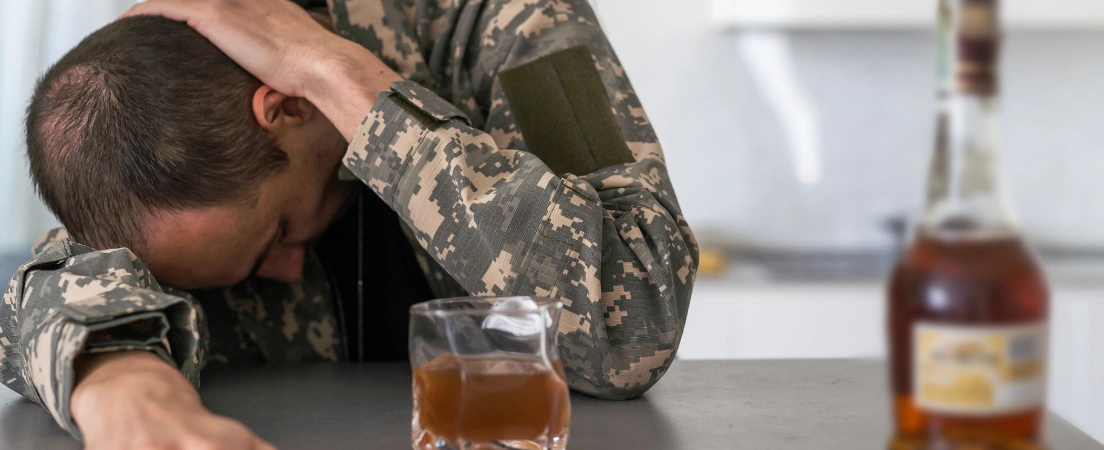
Where SARP Fits in the Navy’s Alcohol and Drug Misuse System
The Navy system includes command prevention and deterrence, Drug and Alcohol Program Advisors, screening and assessment, clinical treatment, and continuing care. SARP refers to the clinical rehabilitation function. MyNavyHR identifies OPNAV Instruction 5350.4E as the current governing instruction as of June 2026.
A DAPA helps a command navigate policy, referrals, documentation, and available resources. A DAPA does not independently make a medical diagnosis or promise confidentiality. SARP clinical personnel assess the individual and recommend education, outpatient treatment, a higher level of care, continuing care, or another disposition under the instruction.
Common Steps in a Navy Substance-Use Referral
- Identification or referral: a service member may enter through self-referral, command referral, an incident, medical referral, or another authorized route.
- Screening and assessment: clinical personnel review substance use, medical and mental-health needs, safety, function, and prior treatment.
- Recommendation: the plan may involve education, outpatient services, intensive outpatient care, residential or inpatient referral, medication, or continuing care.
- Command and clinical coordination: information is handled under Navy and health-privacy rules; duty-relevant communication can occur.
- Continuing care: follow-up supports treatment goals and readiness after the initial level of care.
Self-Referral, Incident Referral, and Confidentiality
The route into care matters. Navy policy encourages early help-seeking, but it does not create unlimited confidentiality or erase independent evidence of misconduct. Timing and circumstances can affect whether self-referral protections apply. A service member should ask the DAPA or clinician what will be documented and when command notification is required.
For a pending investigation, positive test, impaired-driving case, or adverse action, treatment and legal questions should remain separate. SARP can address clinical needs; military defense counsel or another qualified attorney addresses legal rights and strategy.
When Treatment Occurs Outside a Navy SARP
Not every installation provides every level of substance-use care. A clinical team may refer a patient to another military facility or an authorized civilian program when the needed service is unavailable locally. Before a non-emergency civilian admission, verify the referral, pre-authorization, facility authorization, network status, and member-cost rules that apply to the beneficiary and service.
| Question to verify | Who decides |
|---|---|
| What level of care is clinically appropriate? | A qualified licensed clinician |
| Is the service authorized under Navy and TRICARE processes? | The applicable military and TRICARE authorities |
| Is a particular civilian provider available and appropriate? | The provider, clinical team, and authorizing parties |
| What happens to a career or case? | No treatment provider or referral site can guarantee that outcome |
Getting the Right Type of Help
For official Navy guidance, begin with the command DAPA, installation medical department, or SARP. For an emergency, call 911. For crisis support, call or text 988 and press 1 for the Veterans/Military Crisis Line.
If the concern is substance use—not only the Navy SARP process
Use the official military or TRICARE pathway first when it fits your situation. A licensed clinician should assess safety, withdrawal risk, diagnosis, and the appropriate level of care. Start with the command DAPA, Navy medical department, or local SARP for official screening and referral guidance.
If you also want to discuss potential civilian treatment-provider options, call the independent TriCareRehabs.com referral helpline.
Call 855-720-0540 to Discuss Provider Options
Calls are answered by South Shores Recovery, a treatment provider. TriCareRehabs.com is not a treatment provider, legal service, military program, or part of TRICARE. Benefits, costs, authorization, admission, placement, confidentiality limits, and career outcomes are not guaranteed.
Frequently Asked Questions
Does every Navy installation have residential SARP treatment?
No. Services vary by location, and a clinical team may refer a patient to another military or authorized civilian setting.
Is a DAPA the person who diagnoses a substance use disorder?
No. The DAPA supports the command program and referral process; qualified clinical personnel conduct assessment and diagnosis.
Does entering SARP guarantee confidentiality from command?
No. Health privacy protections apply, but Navy policy permits or requires duty-relevant communication in specified circumstances.
Primary sources and further reading
- MyNavyHR Drug and Alcohol Deterrence
- OPNAV Instruction 5350.4E
- Navy Medicine SARP Forms and Privacy Records
- TRICARE Substance Use Disorder Treatment
Military policies, benefit rules, provider networks, and clinical guidance can change. Verify current requirements with the applicable official program, TRICARE, and a licensed professional.


 855-720-0540