
Learn About the Role and Regulations of the USAF Drug Demand Reduction Program
The Air Force Drug Demand Reduction Program forms a cornerstone of maintaining a drug-free workplace within the United States Air Force. This comprehensive program serves a critical role in protecting mission readiness, ensuring public safety, and supporting the health and well-being of military personnel and civilian employees alike.
Whether you’re an active duty service member, civilian personnel in a testing-designated position, or someone seeking information about substance abuse treatment options, understanding the DDRP framework can be essential to your career and personal well-being.
The Air Force DDRP represents more than just a testing program: it’s a multifaceted approach combining detection, prevention, and treatment to address substance abuse before it compromises operational effectiveness.
With drug use rates among military personnel maintained below one percent, compared to civilian populations where rates can reach 5-10%, the program demonstrates clear effectiveness in creating a safe work environment for all personnel.
Key Takeaways
- Air Force DDRP supports mission readiness by deterring drug abuse among military and civilian personnel
- The program enforces mandatory drug testing for personnel in Testing Designated Positions critical to Air Force operations
- DDRP follows strict Department of Health and Human Services chain of custody protocols for valid test results
- Multiple testing types include random, reasonable suspicion, accident/mishap, and pre-employment screenings
- Treatment and intervention services are available for service members testing positive for substance use
- TriCareRehabs.com is an independent referral helpline that can discuss potential civilian detox and treatment-provider options; it does not provide treatment or guarantee provider status, benefits, admission, or placement
What is the Air Force Drug Demand Reduction Program?
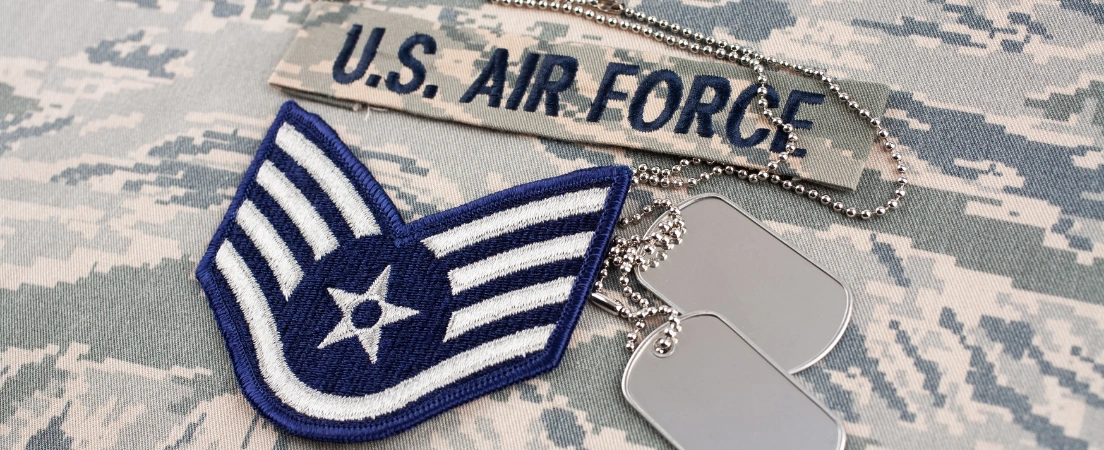
The Drug Demand Reduction Program serves as the Air Force’s primary initiative to deter illegal drug use and alcohol misuse among service members and designated civilian personnel. Operating under Department of Defense policy, this comprehensive program aims to enhance mission readiness by maintaining a zero-tolerance approach toward illegal drugs and substance abuse.
The program’s primary mission centers on three core components: detection through systematic drug testing, prevention via education and outreach, and deterrence through enforcement of consequences. By partnering with agencies, including the Civilian Personnel Office, the DDRP ensures comprehensive coverage across all Air Force installations and operations.
The Links Between Substance Misuse and Military Preparedness
The connection between a drug-free environment and mission readiness cannot be overstated. When personnel use illegal drugs or misuse prescription medication, they compromise their judgment, reaction times, and overall effectiveness. This directly impacts the Air Force mission, potentially putting lives at risk and undermining operational success.
Historically, the program evolved from recognition during the late 20th century that substance abuse posed a significant threat to military operational effectiveness and safety.
The Department of Defense responded by implementing structured policies that integrate drug demand reduction directly into force management systems, creating an institutional approach that addresses both individual health and collective security.

INDEPENDENT REFERRAL HELPLINE
Discuss TRICARE Treatment-Provider Options
855-720-0540
Calls are answered by South Shores Recovery, a treatment provider. TriCareRehabs.com does not provide treatment. Coverage, costs, authorization, admission, and placement vary and are not guaranteed.
DDRP Air Force Program Coverage and Considerations for Personnel
The Air Force Drug Demand Reduction Program encompasses both military personnel and civilian employees in specific positions critical to operations. Military service members face mandatory participation in drug testing requirements as part of their duty obligations, while civilian personnel in Testing Designated Positions undergo similar screening to ensure public safety and mission effectiveness.
Critical positions affecting Air Force mission operations include security forces, firefighters, aircraft maintenance personnel, and others whose impairment could threaten safety.
These positions require airmen and women who can perform their duties without the influence of illegal drugs, illicit drugs, or misused prescription medications. The program recognizes that even limited substance abuse in these roles could have catastrophic consequences.
What are the Differences in Enforcement: Military Personnel vs Civilian Employees
Differences between military and civilian testing protocols reflect the distinct legal frameworks governing each group. While military personnel fall under the Uniform Code of Military Justice and face potential criminal prosecution for drug abuse, civilian employees follow labor law procedures with administrative actions as the primary consequence for positive test results.
Base-wide implementation ensures consistent enforcement across all Air Force installations. Commanders maintain responsibility for program oversight within their units, working with trusted agents who manage testing notifications and ensure compliance with established procedures.
US Air Force Drug Testing Procedures and Protocols
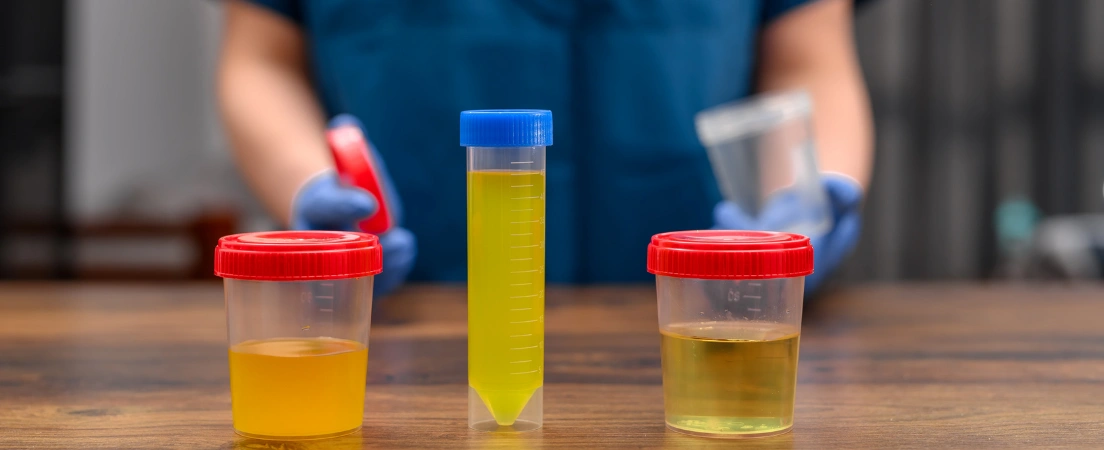
The drug testing program follows rigorous Department of Health and Human Services guidelines to ensure accuracy and legal validity. Urine specimen collection for drug and alcohol testing represents the standard testing method, with strict chain of custody procedures maintaining the integrity of each sample from collection through laboratory analysis.
Temperature requirements mandate that specimens fall within the 90-100°F range to validate authenticity and prevent tampering. This requirement helps detect attempts to substitute samples or otherwise compromise test results. Supervisors bear responsibility for managing testing notifications and ensuring personnel report for testing within specified timeframes.
AFI 44-107 compliance provides the regulatory framework governing all testing procedures. This Air Force instruction establishes standardized protocols that installations must follow, ensuring consistency across the service. The regulation covers everything from specimen collection to result reporting and subsequent administrative actions.
Testing Collection Process Details
The collection process differs between military personnel and civilian employees, though both follow fundamental chain of custody principles. For military members, the process typically involves notification through their chain of command, followed by immediate reporting to the designated collection facility.
Observation protocols balance the need for specimen validity with respect for individual privacy. Collection personnel receive specific training on proper procedures, including documentation requirements and quality control measures. Every step of the process requires careful documentation to maintain the legal validity of test results.
Chain of custody forms accompany each specimen throughout the testing process, creating an unbroken record of handling. This documentation proves essential if test results face legal challenges or require verification for administrative actions. Quality control measures include temperature verification, specimen integrity checks, and proper labeling to prevent mix-ups or contamination.
What are The Types of Drug Testing Used in the Air Force?
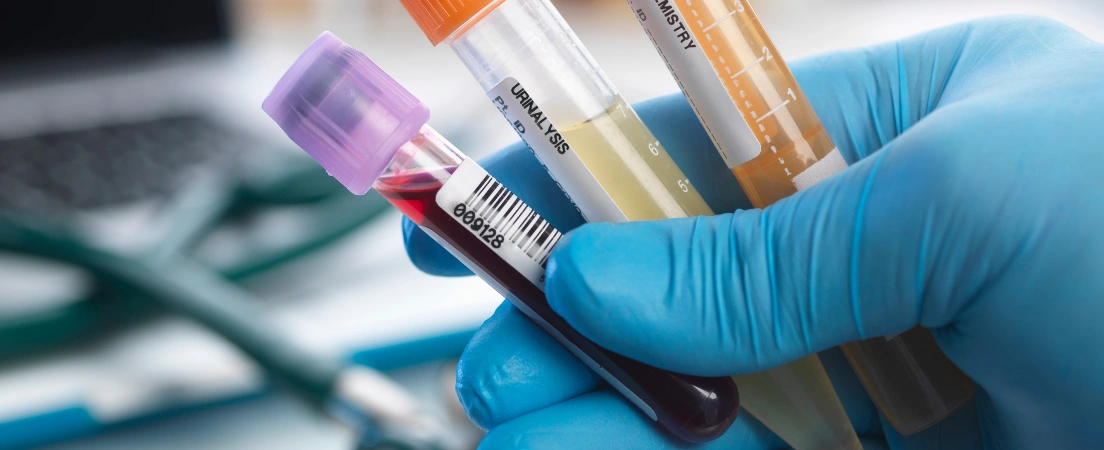
The Air Force employs multiple testing types to address different circumstances and personnel requirements. Each testing type serves specific purposes within the broader drug demand reduction strategy, ensuring comprehensive coverage of potential substance abuse situations.
- Tentative Selectee Testing occurs during pre-employment screening for civilian positions requiring drug testing. This initial screening helps prevent hiring individuals with current drug use issues into positions where substance abuse could compromise mission effectiveness or public safety.
- Random testing forms the backbone of the drug testing program, with personnel in designated positions subject to selection without advance notice. The random nature of this testing creates a strong deterrent effect, as individuals cannot predict when they might face screening and what exact drugs will be tested. Computer systems generate truly random selections to ensure fairness and prevent discrimination.
- Reasonable Suspicion Testing takes place when supervisors observe behavior or performance indicators suggesting possible drug use. This type of testing requires supervisory consultation and documentation of the specific observations leading to the testing decision. Supervisors must receive proper training to recognize signs of potential substance abuse and understand the legal requirements for reasonable suspicion testing.
- Accident/Safety Mishap Testing follows incidents where substance abuse might have contributed to the occurrence. This testing helps determine whether drugs or alcohol played a role in the incident and supports both safety investigations and potential disciplinary actions.
Testing Frequency and Selection of Testing Candidates in the USAF
Annual testing requirements apply to specific positions based on their criticality to mission success and public safety. Personnel in these positions can expect to undergo testing at least once per year, with some facing more frequent screening based on their role’s sensitivity.
Circumstances triggering mandatory testing include involvement in accidents, security violations, or other incidents where substance abuse might be a factor. Unit sweeps may occur when commanders determine that particular units face heightened risk or when specific intelligence suggests drug abuse problems.
Notification procedures ensure personnel receive adequate notice while maintaining the testing program’s integrity. Trusted agents coordinate with supervisors to manage the notification process, balancing operational requirements with the need for timely testing.
INDEPENDENT REFERRAL HELPLINE
Discuss TRICARE Treatment-Provider Options
855-720-0540
Calls are answered by South Shores Recovery, a treatment provider. TriCareRehabs.com does not provide treatment. Coverage, costs, authorization, admission, and placement vary and are not guaranteed.
Consequences and Administrative Actions for Failing a Drug Test in the Air Force
When personnel test positive for illegal drug use or substance abuse, they face serious consequences that can significantly impact their military careers or civilian employment. The Air Force maintains a zero-tolerance policy toward drug abuse, reflecting the service’s commitment to maintaining readiness and safety standards.
Criminal prosecution represents a possibility for military personnel who test positive for illegal drugs. Under the Uniform Code of Military Justice (UCMJ), drug abuse constitutes a criminal offense that can result in court-martial proceedings, imprisonment, and discharge from service.
The severity of consequences often depends on factors such as the type of substance detected, the individual’s rank and position, and any aggravating circumstances.
Failure to comply with testing requirements itself constitutes a serious offense. Personnel who refuse testing, fail to report as directed, or attempt to tamper with specimens face consequences equivalent to testing positive for drugs. This ensures that the testing program maintains its effectiveness as a deterrent.
Documentation of positive test results and subsequent actions becomes part of permanent personnel records. This information can affect future promotions, assignments, and career opportunities, emphasizing the long-term impact of substance abuse decisions.
Treatment and Intervention Services: Seeking Support in the USAF

The Air Force recognizes that substance abuse represents a health issue requiring professional intervention and support. Assessment and referral processes help identify the most appropriate treatment options for individuals struggling with drug abuse or alcohol misuse.
Mandatory referrals occur following DUI incidents, disorderly conduct related to alcohol, or positive drug tests. These referrals ensure that personnel receive the necessary evaluation and treatment to address underlying substance abuse issues. The goal extends beyond punishment to genuine rehabilitation and prevention of future problems.
Self-referral and self-reporting options provide pathways for personnel to seek help voluntarily before substance abuse impacts their performance or results in positive test results. The Air Force encourages individuals to recognize when they need assistance and provides confidential avenues for accessing treatment.
Seeking help may support personal health, but no referral service or provider can predict or protect a military career outcome. The independent helpline can discuss potential civilian provider options; verify TRICARE authorization separately.
Peer Support and Recovery Support Programs Following Treatment
Structured treatment options provide intensive support for those committed to overcoming substance abuse. These programs combine professional counseling with peer support and education to address both the physical and psychological aspects of addiction.
Self-help groups, including Alcoholics Anonymous and Narcotics Anonymous, offer ongoing support through peer networks. The 12-step model provides a proven framework for sustained recovery, emphasizing personal responsibility, spiritual growth, and community support.
Family involvement recognizes that substance abuse affects more than just the individual. Treatment programs often include family education and support services to strengthen the recovery environment and improve long-term success rates.
Long-term recovery monitoring and follow-up care help prevent relapse and support sustained sobriety. This ongoing support may include regular counseling sessions, continued participation in support groups, and periodic assessments to identify potential warning signs.
Training and Education Components
Prevention through education forms a crucial component of the drug demand reduction strategy. Quarterly supervisor training on the civilian drug testing program ensures that leaders understand their responsibilities and can effectively implement program requirements within their organizations.
The 2-day Civilian Personnel Management Course curriculum provides comprehensive education on drug testing procedures, legal requirements, and supervisory responsibilities. This training helps supervisors recognize signs of potential substance abuse and understand the proper procedures for addressing concerns.
The Air Force ADAPT program provides on-the-ground support for airmen needing substance abuse disorder treatment, and different branches of the Armed Forces also offer their own support and/or interdiction programs for alcohol and substance abuse. These include:
- Army ASAP programming
- The Coast Guard Substance Abuse Program
- The Marine Corps Substance Abuse Program
- Navy SARP services
- The National Guard Substance Abuse Programs
Take Proactive Action to Find Support Services Today

Please do not hesitate to contact us regarding questions about testing procedures, requirements, or program policies. Our resources and expert staff provide confidential support and help access appropriate care for substance abuse issues.
The importance of acting early cannot be overstated.
Get help using TRICARE insurance coverage for substance abuse treatment by reaching out to TriCareRehabs.com now for a confidential consultation.
All calls are confidential, so please reach out now for our immediate support!
INDEPENDENT REFERRAL HELPLINE
Discuss TRICARE Treatment-Provider Options
855-720-0540
Calls are answered by South Shores Recovery, a treatment provider. TriCareRehabs.com does not provide treatment. Coverage, costs, authorization, admission, and placement vary and are not guaranteed.
FAQs on the DDRP in the Air Force
What happens if I refuse to take a drug test in the Air Force?
Refusing to take a mandatory drug test is treated the same as testing positive for illegal drugs. Military personnel face potential criminal prosecution under the UCMJ, while civilian employees may face immediate termination. The refusal itself demonstrates a failure to comply with lawful orders and program requirements, resulting in serious administrative actions regardless of whether actual drug use occurred.
Can I request a retest if my drug test results are positive?
Yes, you have the right to request testing of the split specimen within 72 hours of being notified of positive results. The split specimen undergoes testing at a different certified laboratory to confirm the initial findings.
However, this process requires following specific procedures and may involve personal expense. False positives are extremely rare due to the rigorous testing protocols and confirmation procedures used.
How long do drug test results stay in my military personnel record?
Positive drug test results and related disciplinary actions become permanent parts of your personnel record. This information can affect future promotions, assignments, security clearance eligibility, and career opportunities throughout your military service. Even after separation from the military, this information may be relevant for certain civilian employment or benefits applications.
What is the difference between voluntary and mandatory treatment referrals?
Voluntary treatment referrals occur when individuals self-refer for substance abuse help before any incidents or positive tests. These typically receive more favorable consideration and may not result in immediate disciplinary action.
Mandatory referrals happen after positive drug tests, alcohol-related incidents, or command-directed evaluations and often accompany administrative or disciplinary actions.
Are prescription medications disclosed during Air Force drug testing?
You must disclose all prescription medications when providing specimens for drug testing. The medical review officer evaluates positive test results in the context of legitimate prescription medication use.
However, you must have a valid prescription and be using the medication as prescribed. Misuse of prescription medication or use without a valid prescription still constitutes a violation of the drug abuse policy.


 855-720-0540