
Military Drug Testing and Policies on Synthetic Marijuana
Key Takeaways
- Yes, spice (synthetic marijuana) shows up on military drug tests since the Department of Defense added synthetic cannabinoids to their testing panel in 2012
- Military drug testing can detect over 250 different synthetic cannabinoid compounds, including JWH and HU series, found in K2 and Spice products
- Testing positive for spice results in severe consequences, including court-martial, administrative separation, and loss of military benefits under UCMJ Article 112a
- Both urine and hair follicle tests can detect synthetic cannabinoids, with detection windows ranging from 1-3 days in urine to 90 days in hair
- Self-referral to substance abuse programs before testing positive may help avoid some disciplinary actions, but does not guarantee immunity
- com can assist service members from all branches of the Armed Forces in finding in-network, TRICARE-approved treatment programs to proactively address issues before they cause a loss of rank or career
Service members considering synthetic marijuana use need definitive answers about detection capabilities and consequences. Understanding this, let’s get deep into the details and provide both a concise and complete answer to the fundamental question: Does Spice show up on a military drug test?
The reality is that military drug testing has evolved significantly to address the threat posed by synthetic drugs, making detection both highly likely and career-ending when discovered.
Direct Answer: Yes, Spice Shows Up on Military Drug Tests

The Department of Defense expanded random urinalysis testing to include synthetic cannabinoids in 2013, marking a decisive shift in military drug testing protocols. This expansion came after a surge in synthetic marijuana use among service members who mistakenly believed these substances would evade detection.
Military drug testing panels now screen for over two dozen synthetic marijuana compounds, including the most common formulations found in products marketed as Spice, K2, and other synthetic cannabis alternatives. The testing occurs through multiple mechanisms designed to ensure comprehensive coverage across all military personnel.
Testing protocols include random urinalysis conducted monthly across all units, probable cause testing when commanders suspect substance use, and command-directed examinations for service members exhibiting concerning behavior. All service branches participate in this standardized testing approach, including the Army, Navy, Air Force, Marines, Coast Guard, and Space Force.
The military’s zero-tolerance policy extends fully to synthetic cannabinoids, with no distinction made between traditional marijuana and synthetic alternatives when it comes to consequences under military justice systems.
What is Spice or Synthetic Marijuana Composed Of?
Spice, also known as K2, synthetic marijuana, or “fake weed,” contains man-made chemicals designed to mimic the psychoactive effects of THC found in natural cannabis. These synthetic cannabinoids represent a diverse family of laboratory-created compounds that bind to the same brain receptors as marijuana but often produce more unpredictable and dangerous effects.
Over 250 different synthetic cannabinoid analogs exist in the current marketplace, including well-known compounds such as JWH-018, JWH-073, and HU-210. Manufacturers continuously modify the chemical structure of these substances to evade law enforcement detection and regulatory bans, creating an ever-evolving landscape of synthetic drugs.
The Changing Nature of Legal Highs and Dangerous Substances Sold OTC
Originally marketed as “legal highs” and sold openly in head shops and convenience stores, these products escaped initial regulatory oversight because their chemical compositions differed from controlled substances.
However, the Drug Enforcement Administration now classifies most synthetic cannabinoid chemicals as Schedule I controlled substances under federal law.
The appeal of spice among military members historically stemmed from the misconception that these substances would not appear on standard drug tests. This false sense of security led to increased usage rates, particularly during the peak period from 2008 to 2012, before comprehensive testing protocols were implemented.
What is the Military Policy on Synthetic Cannabinoids?
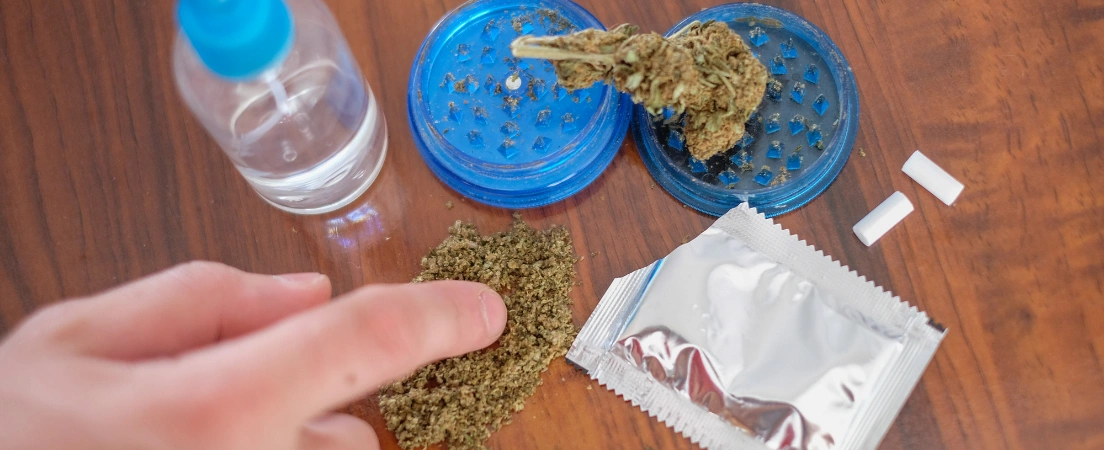
DoD Instruction 1010.01 mandates zero tolerance for synthetic marijuana use across all military branches, establishing clear guidelines that treat synthetic cannabinoids with the same severity as other illicit drugs. This comprehensive policy framework ensures consistent enforcement regardless of service branch or duty assignment.
UCMJ Article 112a specifically criminalizes wrongful use of synthetic cannabinoids as controlled substances, providing the legal foundation for courts-martial and other disciplinary proceedings. Under this article, service members face potential punishment including confinement, forfeiture of pay and allowances, and punitive discharge from military service.
What are the Branch Specific Policies on Spice in the Armed Forces?
Branch-specific regulations reinforce this zero-tolerance approach through detailed implementation guidance. Army Regulation 600-85 addresses the Army Substance Abuse Program (ASAP) requirements, while Navy SECNAV 5300.28F establishes Navy-specific protocols related to SARP and other initiatives.
The Air Force ADAPT and DDRP initiatives implement these policies through AFI 90-507, ensuring standardized approaches across all service components.
Testing requirements include annual mandatory screening for all active duty personnel plus random monthly testing of at least 10% of unit personnel. This comprehensive testing approach ensures broad coverage while maintaining the element of surprise necessary for effective deterrence. Commands may also direct additional testing based on reasonable suspicion or probable cause indicators.
The military’s commitment to substance abuse prevention extends beyond testing to include education, treatment, and rehabilitation programs designed to help service members maintain readiness and avoid destructive behaviors that compromise mission effectiveness.
How Do Military Drug Tests Detect Spice?
Military drug testing employs sophisticated analytical methods to detect synthetic cannabinoids, utilizing a two-step process that begins with immunoassay screening followed by confirmatory testing using gas chromatography mass spectrometry (GC-MS) or liquid chromatography-tandem mass spectrometry techniques.
Urinalysis remains the primary testing method, with samples processed at Navy Drug Screening Labs that handle millions of specimens annually from all Department of Defense services. These laboratories maintain a strict chain of custody procedure to ensure sample integrity from collection through final analysis and reporting.
Beyond Urine Testing for Spice in the Military: Other Detection Methods
Hair follicle testing provides an alternative detection method capable of identifying 23 common synthetic cannabinoids using validated forensic protocols. This testing method offers advantages for detecting historical use patterns and can identify substances that may no longer be present in urine samples.
The testing process follows standardized protocols designed to minimize false positives while maximizing detection sensitivity. Initial screening identifies potential positive samples, which then undergo confirmatory testing to verify the presence of specific synthetic cannabinoid metabolites above established cutoff levels.
Military testing laboratories continuously update their testing panels to address new synthetic cannabinoid formulations as they emerge in the marketplace. This adaptive approach helps ensure that testing remains effective against the constantly evolving threat posed by synthetic drug manufacturers.
What are the Consequences of Testing Positive for Spice in the Military?

Testing positive for synthetic cannabinoids triggers immediate consequences that begin with suspension of security clearance and removal from sensitive duties pending investigation and disciplinary proceedings. These initial actions protect operational security while allowing commanders to assess the full scope of the situation.
Administrative actions range from Non-Judicial Punishment under Article 15 to formal court-martial proceedings, depending on the circumstances, prior disciplinary history, and command discretion.
Non-judicial punishment may include rank reduction, forfeiture of pay, restriction to base, and extra duty assignments.
More Severe Consequences Related to Spice Trafficking in the Armed Forces
More serious cases, often involving the distribution of synthetic marijuana to others, proceed to court-martial, where service members face potential confinement, punitive discharge, and felony conviction records that follow them into civilian life. Military law treats synthetic cannabinoid use as seriously as any other controlled substance violation.
Separation characterizations typically result in General discharge under honorable conditions or Other Than Honorable discharge, depending on the totality of circumstances and the service member’s overall record. These discharge characterizations significantly impact eligibility for veteran benefits and civilian employment opportunities.
Long-term impacts extend far beyond military service, affecting veteran healthcare benefits, GI Bill eligibility, VA disability compensation, and employment prospects requiring security clearances. Many civilian employers conduct background checks that reveal military disciplinary actions and discharge characterizations.
The collateral consequences often prove more devastating than the initial punishment, creating obstacles to education, employment, and financial stability that can persist for decades after military service ends.
Detection Windows and Testing Frequency for Synthetic Cannabinoids
Urine testing can detect synthetic cannabinoids for 1-3 days after last use, though this window varies based on individual metabolism, frequency of use, and the specific synthetic compound consumed.
Unlike THC, which stores in fat tissue and provides longer detection windows, synthetic cannabinoids typically clear from urine more rapidly.
Hair follicle testing offers a significantly longer detection window of approximately 90 days, making it particularly valuable for investigating historical use patterns or confirming suspected use when urine tests may no longer be effective. This extended detection capability helps ensure that service members cannot simply abstain briefly to avoid detection.
How Often Does the Military Drug Test for Spice and Synthetic Cannabinoids?
Random testing frequency varies by service branch, but typically occurs monthly, with units required to test a minimum of 10% of personnel per Army standards. This high testing frequency, combined with the unpredictable nature of selection, creates a significant deterrent effect against substance use.
Probable cause and command-directed testing can occur at any time based on reasonable suspicion indicators such as observed behavior changes, performance problems, or credible reports of substance use. These targeted testing approaches allow commanders to address suspected problems immediately rather than waiting for random selection.
The military’s comprehensive testing approach ensures that service members face a constant risk of detection, making it extremely difficult to use synthetic cannabinoids without eventually testing positive during routine screening or targeted examination.
Legal Considerations for Military Members Who Test Positive for Synthetic Marijuana
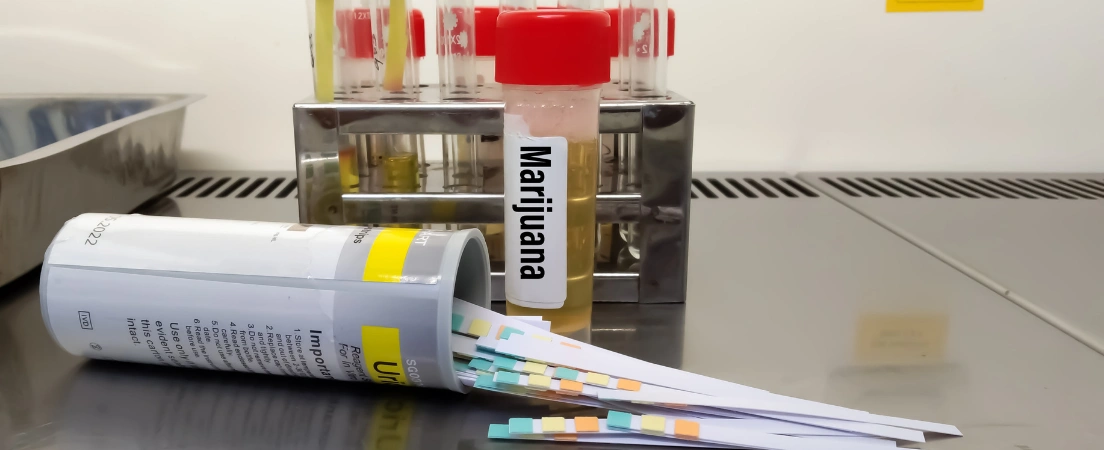
Service members who test positive for synthetic cannabinoids have limited but important legal options that require immediate consultation with qualified military defense attorneys. The complexity of military justice proceedings demands experienced legal representation to navigate potential defenses and mitigation strategies.
Common defense strategies include challenging the chain of custody procedures, questioning laboratory analysis methods, or arguing innocent ingestion through contaminated products or secondhand exposure. However, these defenses face significant evidentiary hurdles given the sophistication of military testing protocols.
Service members can request retesting of frozen urine samples within 12 months through their legal counsel, providing an opportunity to challenge initial positive results. This process requires formal legal action and must be pursued promptly to preserve sample integrity.
Does Self Reporting for Spice Use in the Military Lessen Consequences?
Self-referral or self-reporting to the Army Substance Abuse Program (ASAP) or equivalent service programs before testing positive may help mitigate some consequences, though it does not provide immunity from disciplinary action. Early intervention demonstrates commitment to addressing substance abuse issues and may influence command decisions regarding punishment severity.
Military defense attorneys can also challenge procedural errors in testing protocols, improper command actions during investigation, or violations of service member rights during the disciplinary process. These procedural defenses require detailed knowledge of military regulations and testing procedures.
Expert testimony regarding testing methodology, laboratory procedures, or medical factors affecting test results may provide additional defense options in appropriate cases. However, the high reliability of current testing methods makes successful challenges increasingly difficult.
Get Support for Spice and Find Approved Treatment Programs Proactively Today
Service members should seriously consider self-reporting issues with Spice or synthetic cannabis before testing positive and facing grave consequences, up to and including discharge.
Proactive treatment seeking demonstrates personal responsibility and commitment to maintaining military standards while preserving career opportunities.
Reaching out to TriCareRehabs.com for a consultation offers a proven path to accessing in-network, TRICARE-approved treatment programs designed specifically for military personnel and their families.
All calls are confidential, so please reach out now for accredited support programs nationwide.
FAQs on Spice and Synthetic Cannabis Use in the Armed Forces
Can secondhand spice smoke cause a positive military drug test?
Unlike marijuana, synthetic cannabinoids have lower established cutoff levels, making passive exposure positives more theoretically possible than with traditional cannabis testing. However, military testing protocols are specifically designed to minimize false positives through confirmatory testing procedures that verify actual drug use rather than incidental exposure.
Service members should avoid environments where spice is being used to prevent any potential complications with drug test results. The unpredictable nature of synthetic cannabinoid chemistry makes it difficult to establish safe exposure thresholds, creating unnecessary risk for personnel who remain in areas where these substances are consumed.
While passive exposure defenses exist, they face significant skepticism from military authorities who expect service members to exercise good judgment about their social environments and associations.
Do CBD or hemp products contain synthetic cannabinoids that could trigger positive tests?

Legitimate CBD products regulated under federal guidelines should not contain synthetic cannabinoids, but unregulated or improperly manufactured products may include unknown chemical adulterants that could potentially trigger positive results. The lack of standardized manufacturing and testing in the CBD industry creates quality control concerns.
Military policy prohibits all CBD and hemp products primarily due to potential THC contamination rather than synthetic cannabinoid concerns, but service members should understand that any cannabis-related product carries potential risks for military drug testing.
The safest approach for active duty personnel involves avoiding all cannabis-derived products, regardless of their legal status or claimed composition, to eliminate any possibility of unexpected positive drug test results.
Will spice use show up differently than marijuana on military drug tests?
Synthetic cannabinoids and marijuana are tested as completely separate drug classes on military testing panels, with distinct chemical signatures and different metabolites targeted by laboratory analysis. Spice positive results are specifically reported as synthetic cannabinoids rather than being grouped with THC or marijuana findings.
Both substances carry identical consequences under the Uniform Code of Military Justice despite being chemically different compounds with different detection methods. Military law makes no distinction between natural and synthetic cannabis products when determining appropriate punishment.
The separate testing protocols mean that service members cannot claim confusion between substances or argue for different treatment based on the artificial nature of synthetic cannabinoids versus natural marijuana.
How long after the military added spice testing did they start enforcing it?
The Department of Defense began including synthetic cannabinoids in random urinalysis panels starting in 2012, with enforcement beginning immediately once testing capabilities were validated and implemented. Service members faced disciplinary action for positive results as soon as the testing became operational.
The transition period was relatively brief, with military leadership communicating policy changes through official channels to ensure all personnel understood the expanded testing scope. No grace period or warning phase preceded active enforcement of synthetic cannabinoid prohibitions.
Military testing laboratories continue updating their panels regularly to detect new synthetic cannabinoid compounds as they emerge, maintaining current capabilities against evolving threats in the synthetic drug marketplace.
Can prescription medications cause false positives for synthetic cannabinoids?
Prescription medications are highly unlikely to cross-react with synthetic cannabinoid testing panels due to the specific chemical structures targeted by military laboratories. The analytical methods used for synthetic cannabinoid detection are designed to minimize cross-reactivity with legitimate pharmaceutical compounds.
Medical review officers verify legitimate prescription medication use when positive results occur, but this process typically applies to substances like opioids and benzodiazepines rather than synthetic drug categories. Prescription medication interference represents an uncommon explanation for synthetic cannabinoid positive results.
Service members cannot successfully claim prescription medication interference as a defense against positive synthetic cannabinoid results, as the chemical specificity of modern testing methods makes such explanations medically implausible in virtually all circumstances.

- Is There a National Guard Substance Abuse Program? - December 29, 2025
- Marine Corps Substance Abuse Program Guidance - December 8, 2025
- Does Spice Show Up on a Military Drug Test? - December 2, 2025
 855-720-0540